


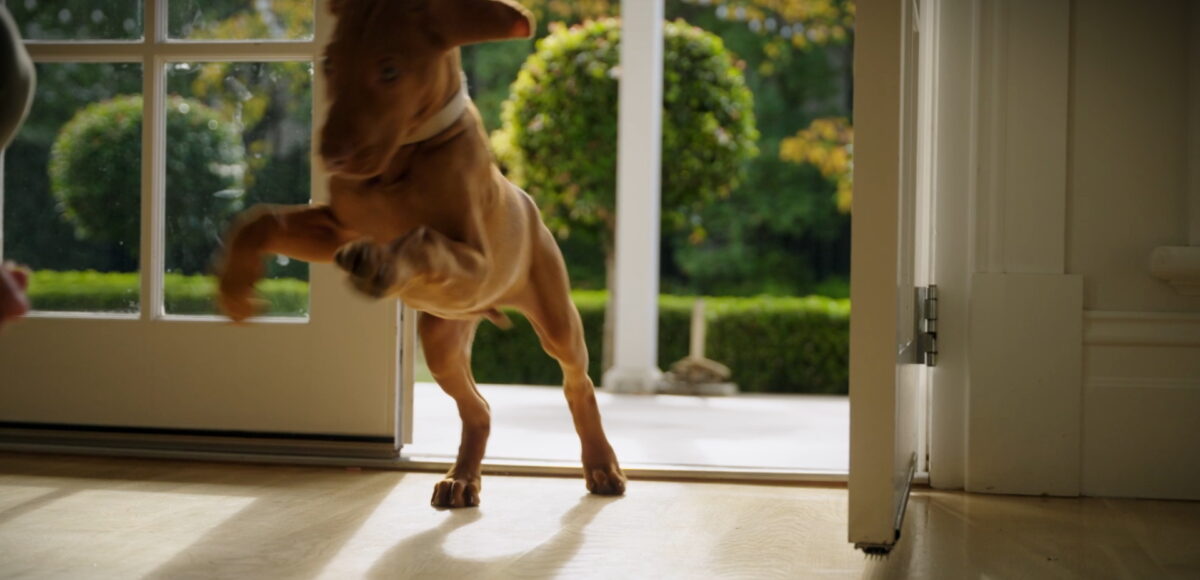
Evening Zoomies
Puppy Overstimulation and Evening Chaos
If your puppy seems to unravel in the evening, you are not alone.
The day can feel manageable. There are naps, a bit of training, some play, maybe a walk. Then late afternoon hits and everything shifts. The biting ramps up, the zoomies take over, listening disappears, and settling feels impossible.
It is one of the most common patterns we see.
It is also one of the most misunderstood.
What Is Actually Going On?
Evening chaos is not always caused by the same thing.
In some puppies, it comes from too much stimulation across the day. In others, it is the result of not enough meaningful stimulation, training, or direction.
Quite often, it is a combination of both.
That is why simple advice like “your puppy is overtired” or “your puppy needs more exercise” only solves part of the picture.
When It Is Too Much
Puppies process a huge amount every day. New environments, sounds, people, handling, training, play. It all adds up.
When there is not enough structured rest, that load builds. By the evening, the puppy is no longer thinking clearly. You are seeing a tired dog that cannot switch off.
This often shows up as:
- frantic zoomies
- increased biting and nipping
- barking or vocalising
- ignoring cues they know
- difficulty settling
In these cases, adding more activity usually makes things worse.
When It Is Not Enough
Some puppies are not overstimulated. They are underworked, undertrained, or under-engaged.
If a puppy has not had enough:
- structured interaction
- basic training
- appropriate outlets
- mental engagement
they will often create their own entertainment. That tends to look like biting, pestering, stealing items, or general chaos.
It can look very similar to overstimulation, but the solution is different.
The Goal Is Balance
Most puppies do not need “more” or “less”.
They need the right balance across the day.
A well-structured routine includes:
- proper sleep and rest
- short, useful training sessions
- appropriate physical activity
- calm time around the home
- clear boundaries
- time to switch off
When one of these is missing or overdone, the evening tends to show it.
Why Environment Matters
One of the most practical things you can do early on is help your puppy understand that different environments have different expectations.
Puppies do not automatically know this. They learn it through consistency.
A helpful framework is:
- Indoors → generally calm, structured, and predictable
- Outdoors → more freedom for movement, play, and exploration
If everything feels the same to the puppy, they will often bring outdoor-level energy into the house. That is when indoor chaos becomes the norm.
Calm Inside, Vigorous Outside
This is a simple shift that makes a big difference.
Inside the home:
- keep interactions calmer and more deliberate
- use short training sessions
- practise settling
- manage space with pens, crates, or place work
- avoid constant high-energy play
Outside or in the yard:
- allow more movement and play
- build engagement
- expose the puppy to the environment
- use energy in a more appropriate space
This helps the puppy learn not just what to do, but where to do it.
Training Is Part of the Solution
A lot of evening behaviour improves when a puppy has more direction during the day.
Training is not about drilling commands. It is about giving the puppy usable patterns.
That includes teaching them:
- how to follow guidance
- how to disengage from biting
- how to settle
- how to pause instead of reacting
- how to work things out with you
Even short sessions done consistently can have a noticeable impact.
Rest Still Matters
Even if your puppy needs more stimulation, they still need proper rest.
Many puppies do not regulate sleep well on their own. If they stay active for too long, behaviour tends to fall apart.
This is where people get caught. The puppy looks energetic, so they add more activity, when in reality the puppy is overtired and coping poorly.
A Quick Self-Check
If your puppy is struggling in the evenings, it helps to look at the full day:
- Has my puppy had enough sleep?
- Have they had any meaningful training or engagement?
- Has the day been too busy or too unstructured?
- Are they practising high-energy behaviour inside the house?
- Am I clear about when it is time to be active and when it is time to settle?
The answers usually point you in the right direction.
What Actually Improves Things
In most cases, progress comes from:
- better balance between activity and rest
- clearer structure across the day
- more deliberate training
- appropriate outlets for energy
- consistency in how the puppy is handled
- clear expectations in different environments
Not extremes. Just better balance.
Want a Clear Framework to Follow?
Getting this right early makes a significant difference to how your puppy develops.
If you want a structured approach to raising your puppy, including how to manage stimulation, build engagement, and avoid common behavioural issues, our online programme is designed to guide you through it. Learn more here: The Puppy Pathway
Final Thoughts
Evening chaos is not random, and it is not something your puppy will simply grow out of.
It is usually a reflection of how the day has been structured.
Sometimes the answer is less stimulation. Sometimes it is more. Most of the time, it is about getting the balance right.
When that balance improves, the evenings usually do too.